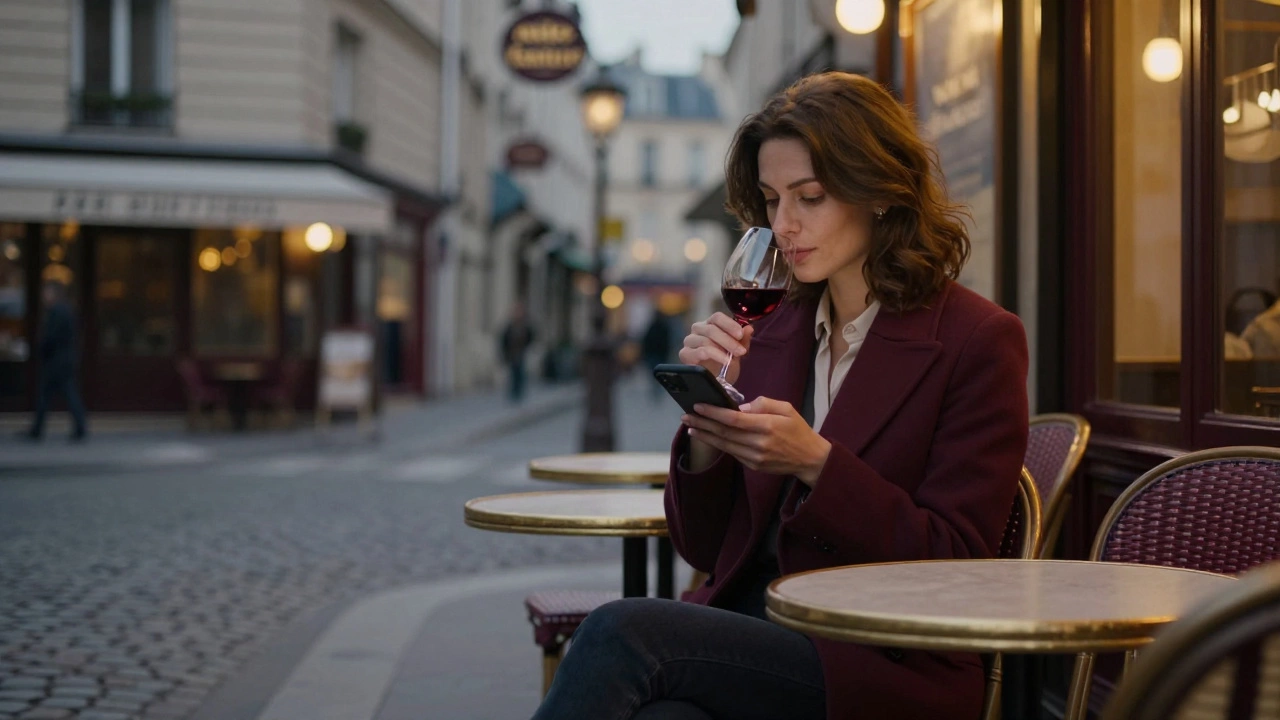
France isn’t just about the Eiffel Tower, croissants, and centuries-old art museums. By night, cities like Paris, Lyon, and Marseille transform into pulsing hubs where music, cocktails, and human connection blend in ways that surprise even seasoned travelers. Among the many layers of French nightlife, one topic quietly lingers in the shadows: the presence of adult companionship services. You’ll hear whispers about escorte girl annonce, see ads tucked into corner cafés, or stumble across forums discussing escort sex paris. But what’s real? What’s myth? And who actually uses these services - and why?
The truth is, France has long had a complicated relationship with prostitution. While selling sex is illegal, buying it isn’t - a legal gray zone that’s shaped how these services operate. Many who offer companionship do so under the label of "escort," emphasizing dinner dates, cultural outings, or simply someone to talk to over wine in a quiet corner of Montmartre. The line between companionship and sex is intentionally blurred, and that’s by design. Some clients want intimacy without commitment; others seek an escape from loneliness in a city of millions where connections can feel fleeting.
How the Industry Actually Works
Unlike in places where brothels are openly regulated, France’s escort scene runs mostly through private networks. You won’t find neon signs or storefronts. Instead, most bookings happen through discreet websites, encrypted messaging apps, or word-of-mouth referrals. Many individuals working in this space are independent contractors - students, artists, expats, or locals looking for flexible income. They set their own rates, choose their clients, and often work only a few nights a week. Some even maintain full-time careers in other fields.
There’s no centralized agency controlling the market. That means quality, safety, and expectations vary wildly. A Paris eacorts listing might promise a glamorous evening with a model, but the reality could be someone working alone from a small apartment in the 18th arrondissement. The photos online are often curated. The language in ads is polished. The person behind the screen? Real, but rarely what the ad suggests.
Why People Seek These Services
It’s easy to assume this is all about sex. But that’s not the full picture. Many clients are men in their 40s and 50s - professionals, often single or recently divorced - who feel isolated in a fast-moving city. They’re not looking for a hook-up; they’re looking for someone who listens, remembers their name, and doesn’t judge them for being nervous or awkward. One former client, a software engineer from London, told me he booked an escort once a month for five years. "It wasn’t about sex," he said. "It was about feeling seen. In Paris, you can be invisible even in a crowd. She made me feel like I mattered for a few hours."
For women, the reasons are different. Some are drawn to the financial freedom. Others enjoy the autonomy - no boss, no schedule, no office politics. A 28-year-old art historian from Bordeaux told me she started escorting after her university loan payments became overwhelming. "I teach art history during the day. At night, I take people to jazz clubs. I get to wear nice clothes, eat good food, and talk about philosophy with strangers. It’s not glamorous, but it’s honest work."
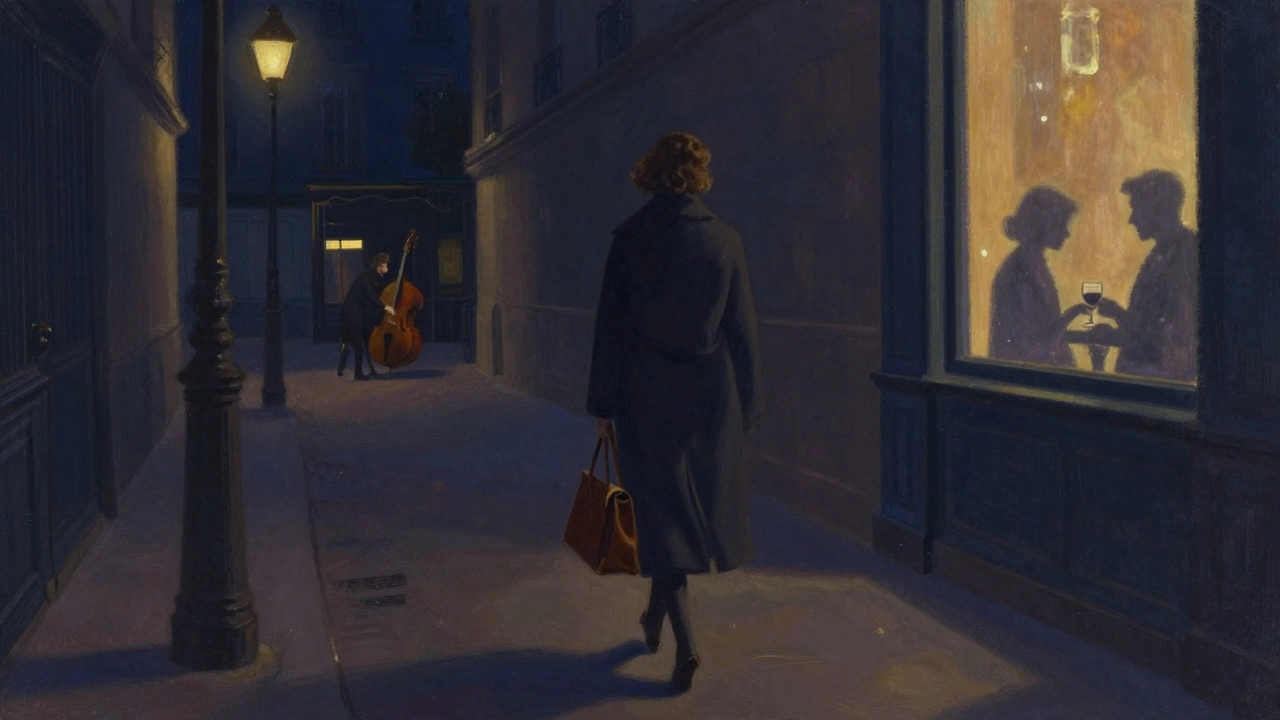
What You Won’t See in the Ads
Behind every escort sex paris listing is a reality most ads don’t show. There are late-night cancellations because a client got too drunk. There are clients who don’t respect boundaries. There are police raids on unlicensed apartments. There are women who’ve been scammed by fake bookings or blackmailed after sharing personal photos. And there’s the emotional toll - the need to turn off your feelings to stay safe.
Most legitimate providers now screen clients heavily. They ask for ID, require video calls before meeting, and never go to a client’s home. They carry pepper spray. They tell a friend where they’re going. They use burner phones. These aren’t just precautions - they’re survival tactics.
The Cultural Context
France’s approach to sex work isn’t unique - it’s deeply tied to its history. The Napoleonic Code, still influential today, treats prostitution as a private matter, not a crime. Feminist movements have long fought to decriminalize sex work, arguing that criminalization puts workers at greater risk. Others argue that legalization would lead to exploitation. The debate rages on, but the reality on the ground is unchanged: the demand exists, the supply adapts, and the law looks the other way.
What’s interesting is how French culture separates the act from the person. You won’t hear people openly talking about escort services at dinner parties - but you’ll hear them discussing the woman who runs the bookstore on Rue de Rivoli who also works weekends as an escort. There’s a quiet acceptance, not judgment. It’s not celebrated, but it’s not hidden either. It’s just… part of the city’s texture.

What to Know Before You Engage
If you’re considering using these services, here’s what matters more than the ad:
- Never pay upfront. Real providers don’t ask for money before meeting.
- Meet in public first. Even if the ad says "private apartment," insist on a coffee meeting before anything else.
- Respect boundaries. If they say no to something, it’s final. No negotiation.
- Don’t record or photograph. This is a common scam tactic - and it’s illegal.
- Use cash. Digital payments leave trails. Cash is safer for both sides.
And if you’re thinking about becoming one? Know this: you’re not just selling time. You’re selling emotional labor. You’ll need mental resilience, legal awareness, and a strong support system. There’s no safety net. No union. No HR department. Just you, your instincts, and your rules.
The Bigger Picture
France’s nightlife is rich, complex, and often misunderstood. The same streets that host jazz clubs and Michelin-starred restaurants also hold quiet encounters between strangers seeking connection. The escort scene isn’t the heart of French culture - but it’s a reflection of it. A culture that values privacy, personal freedom, and emotional honesty, even when it’s messy.
Next time you’re walking through the Latin Quarter at midnight, listening to a saxophone drift from a basement bar, remember: behind every smile, every laugh, every quiet conversation, there’s a story. Some are written in poetry. Others are written in silence. Neither is less real.